
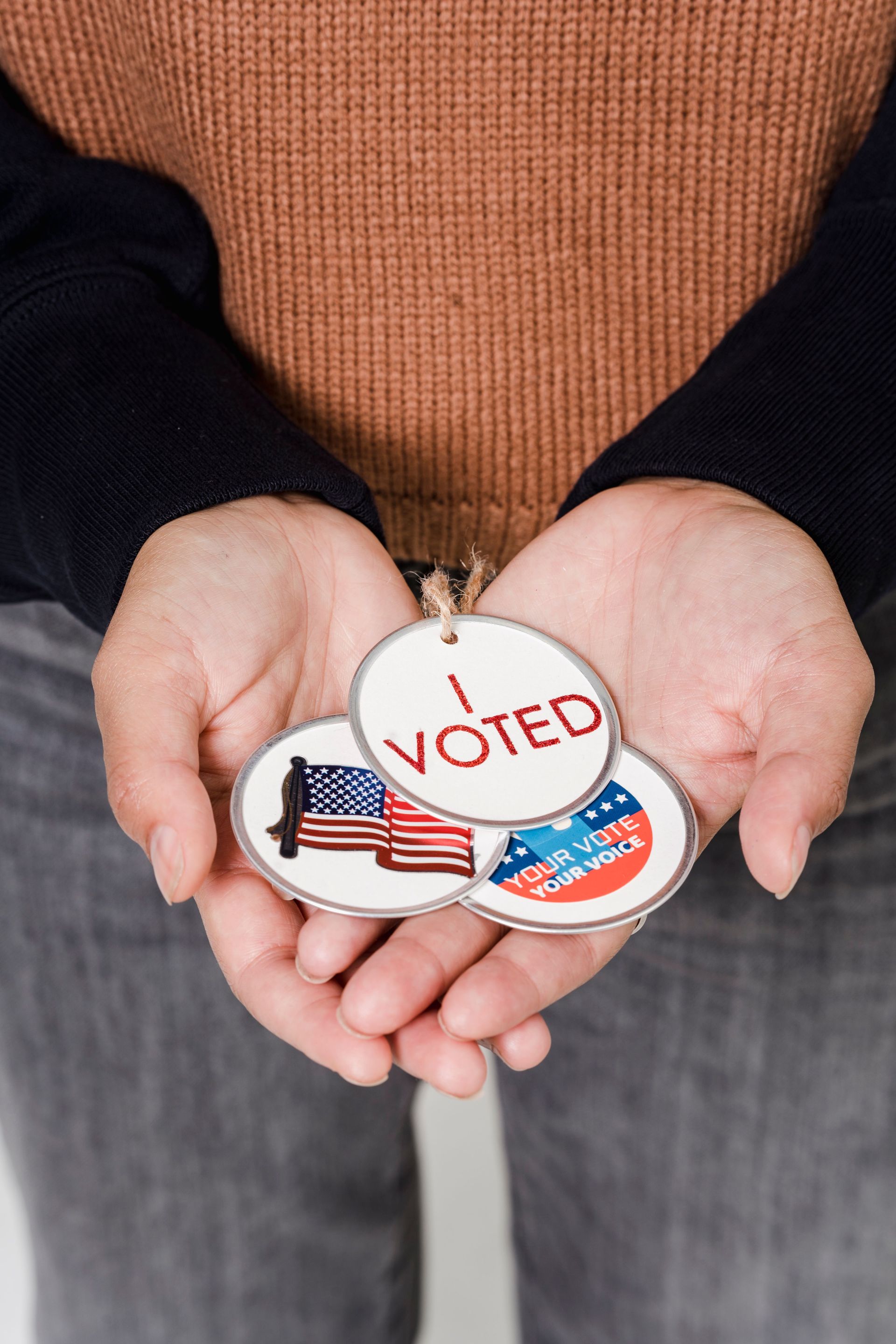
On Tuesday, November 3, Americans went to the polls to vote for congressmen and 33 Senate seats, as well as numerous state-level seats, amendments, and other local issues. As the dust has now mostly settled, here is where we stand on the matter of parental rights: Coalition Efforts Unaffected First, the Parental Rights Foundation participates in two vital bipartisan coalitions, the United Family Advocates and the Coalition to End Hidden Foster Care . In both cases, right-leaning family defenders work side by side with family defenders who hail from the left side of the aisle, and often (geographically speaking) from Democrat strongholds. As coalition members on the right side of the aisle lose their voice in Congress (because their contacts in Congress are no longer in the majority), coalition members on the left side of the aisle gain theirs. Since we’re all preaching the same message—protection for children by empowering parents through meaningful reforms to the Child Welfare system—our work continues unhindered and unabated. United Family Advocates recently released a report wherein we expressed a vision for a new funding structure for federal child welfare dollars. Our plan would end the incentives to states to take more children into foster care, and would free money currently earmarked for taking children, so that it can be used instead to help keep families together. This report reflects a dramatic change from the current system and will likely take years to pass into law. But it has triggered an important conversation on Capitol Hill and in the Administration—a conversation that will continue even after the new Congress takes over in January. The Coalition to End Hidden Foster Care, meanwhile, has been championing a bill to require states to collect and provide data whenever families are separated through agency action, even if children are not taken into formal foster care. This bill will give us useful data on how often “hidden foster care” is used and what its outcomes look like. In the current Congress, we secured bipartisan, bicameral support—that is, a Republican and a Democrat both in the House and in the Senate. In the coming Congress, we have lost only one of these, and we are already securing a replacement In short, the work on this effort will continue unabated, as well. Parental Rights Amendment Lightly Affected That brings us, lastly, to the Parental Rights Amendment. In this Congress, we have fourteen total cosponsors. In the elections, those fell into four different categories: Nine cosponsors, including lead sponsor Mary Miller of Illinois, won their reelection bids and will return to Congress in 2027. We anticipate getting their quick sign-on when the PRA is reintroduced in that session. Two retiring cosponsors will be succeeded by like-minded representatives from the same party. Though it will take a little more work on our part, I believe we can get these successors to sign onto a new PRA introduction in 2027. Two cosponsors opted to make a run for their state’s open Senate seat. If they won, we would seek their support in the Senate, but win or lose, they would not be cosponsoring the House resolution. (Neither won their Senate race, however.) Finally, one congressman lost his reelection bid. We are sorry to see this, as we had a good relationship with his office, but we wish great things for him and his staff as they pursue other projects and endeavors starting in January. The bottom line, then, is that we start the new Congress, presumably, with nine to eleven of the fourteen sponsors we have in this Congress, and we will work to grow the numbers from there. Insulated from the Storm So, while the outlook for many issues rose or fell sharply this election, the cause of Parental Rights remains largely insulated from that storm. No post-election analysis remotely suggests that the era of concern for parental rights has passed. This remains a major issue, and one with agreement across the board. We look forward to continuing the conversations for child welfare reform and the Parental Rights Amendment in the new Congress in January. I anticipate great things in the days ahead if we do not lose heart but continue to make our voices heard. Thank you for standing with us to protect children by empowering parents, no matter who is in control on Capitol Hill!